 TECH TIMES NEWS
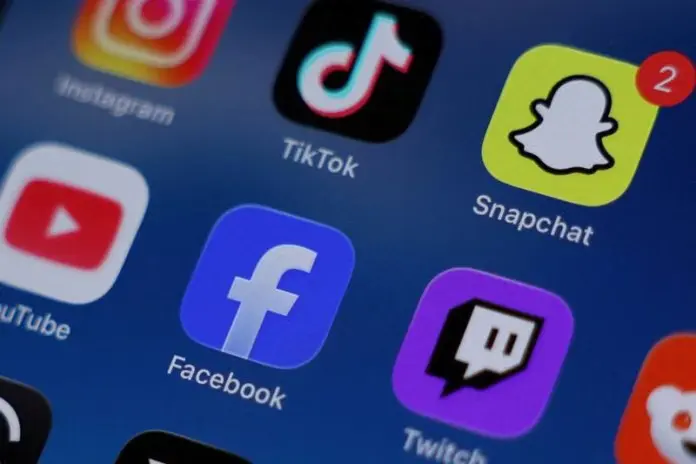
As Greece moves closer to introducing tighter controls on social media access for minors, a different battle is unfolding inside homes. Parents across the country are struggling to reduce their children’s dependence on smartphones—often finding themselves at odds with deeply ingrained digital habits.
The proposed regulatory measures, expected to focus on age verification, usage limits, and platform accountability, come amid growing concern over how social media affects young users. While policymakers frame the move as a safeguard, families are discovering that regulation alone may not solve the problem.
Rising Screen Dependency Among Children
Recent European studies indicate that teenagers are spending anywhere between 3 to 6 hours daily on social media platforms, with usage peaking during evenings and weekends. In Greece, educators and psychologists report increasing cases of attention issues, sleep disruption, and anxiety linked to excessive screen exposure.
What worries experts more is not just the time spent, but the nature of engagement—algorithm-driven feeds, short-form content, and constant notifications that make disengagement difficult.
Parents on the Frontline
For many parents, the challenge is immediate and personal. Attempts to enforce screen limits often lead to resistance, conflict, and even secrecy, as children find workarounds through multiple devices or accounts.
“I tried taking away the phone at night, but it turned into daily arguments,” said one parent in Athens. “It’s not just a device anymore—it’s their social life.”
This reflects a broader shift: smartphones are no longer optional tools but central to how young people communicate, learn, and entertain themselves.
Experts Call for Balanced Intervention
Child psychologists emphasize that outright bans may not be the most effective solution. Instead, they recommend a combination of digital literacy, structured routines, and parental involvement.
“Restriction without education can backfire,” experts note. “Children need to understand why limits exist, not just follow them.”
Some schools in Greece have already begun integrating digital wellbeing programs, teaching students about mindful usage and online risks.
Tech Platforms Under Pressure
The upcoming Greek measures are part of a wider European trend to hold social media companies accountable. The EU’s Digital Services Act (DSA) already requires platforms to provide safer environments for minors, including stricter content moderation and transparency.
Greece’s approach could go further by directly targeting usage patterns, potentially forcing platforms to redesign features that encourage prolonged engagement among young users.
A Global Debate in Motion
Greece is not alone. Countries like France and the UK have also debated limits on children’s access to social media, while some regions have experimented with school-time phone bans.
What sets Greece apart is the timing—introducing regulation when public awareness among parents is already at a tipping point. The convergence of policy action and parental concern could make enforcement more effective, but also more complex.
The Real Challenge Ahead
Even if regulations succeed in limiting access, the deeper issue remains: how to reshape children’s relationship with technology in a digital-first world.
For parents, the solution may lie less in confiscating devices and more in redefining boundaries—encouraging offline activities, modeling healthy behavior, and creating tech-free spaces at home.