 TECH TIMES NEWS
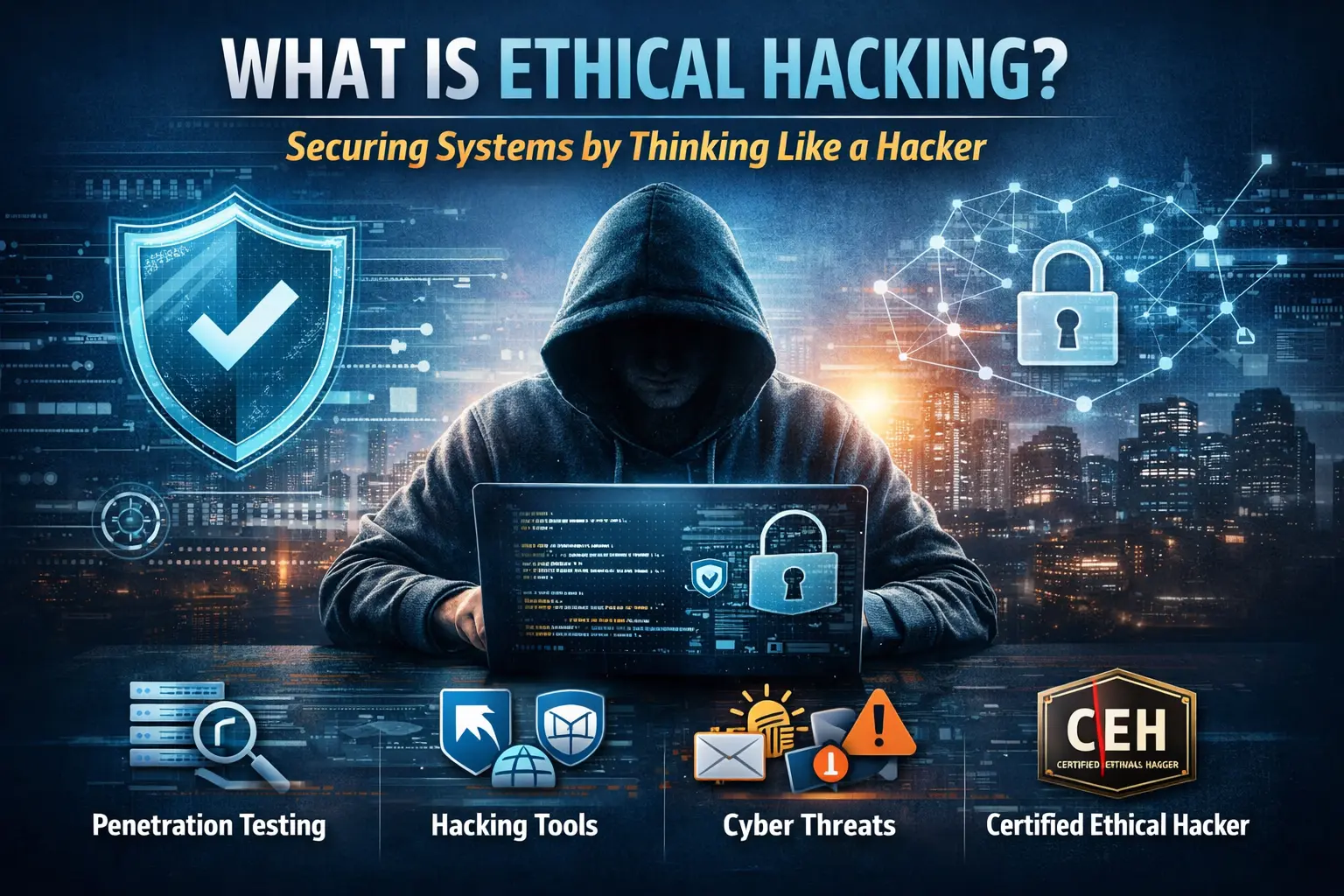
Ethical hacking refers to the practice of legally breaking into computers, networks, or systems to identify vulnerabilities before malicious hackers can exploit them. Unlike cybercriminals, ethical hackers—often called white-hat hackers—operate with permission and follow strict legal and ethical guidelines.
At its core, ethical hacking is about thinking like an attacker to defend like a protector. Organizations hire these professionals to simulate real-world cyberattacks and uncover weak points in their digital infrastructure.
How Ethical Hacking Works: The Process Behind the Practice
Ethical hacking isn’t random experimentation—it follows a structured methodology. Typically, it includes:
- Reconnaissance (Information Gathering): Collecting data about the target system
- Scanning: Identifying open ports, services, and vulnerabilities
- Gaining Access: Attempting to exploit weaknesses (safely and legally)
- Maintaining Access: Testing how long a hacker could stay undetected
- Reporting: Documenting findings and recommending fixes
This systematic approach ensures that vulnerabilities are not only discovered but also properly addressed.
Types of Hackers: Where Ethical Hackers Stand
To understand ethical hacking, it’s important to distinguish between hacker categories:
- White Hat Hackers: Ethical professionals working to secure systems
- Black Hat Hackers: Malicious actors seeking financial or data gain
- Grey Hat Hackers: Operate in a legal gray area without explicit permission
Ethical hackers strictly fall into the white-hat category, prioritizing security over exploitation.
Tools and Technologies Ethical Hackers Use
Ethical hackers rely on a wide range of tools to test system defenses. Some widely used tools include:
- Kali Linux: A specialized OS packed with security testing tools
- Metasploit: Framework for developing and executing exploits
- Nmap: Network scanning and discovery tool
- Wireshark: Packet analysis for network traffic monitoring
These tools help simulate sophisticated attacks in controlled environments.
Why Ethical Hacking Matters More Than Ever
With global cybercrime costs projected to reach trillions of dollars annually, ethical hacking has become a cornerstone of modern cybersecurity strategies.
Organizations—from startups to governments—store massive volumes of sensitive data. A single breach can lead to financial loss, reputational damage, and legal consequences. Ethical hackers help prevent such outcomes by proactively strengthening defenses.
In India, the demand for cybersecurity professionals is rising rapidly, driven by digital transformation, fintech expansion, and increasing cyber threats.
Skills and Certifications Required
Becoming an ethical hacker requires a mix of technical expertise and analytical thinking. Key skills include:
- Networking fundamentals
- Programming (Python, JavaScript, etc.)
- Knowledge of operating systems
- Understanding of security protocols
Popular certifications include:
- CEH (Certified Ethical Hacker)
- OSCP (Offensive Security Certified Professional)
- CompTIA Security+
These credentials validate a professional’s ability to identify and mitigate vulnerabilities.
Legal and Ethical Boundaries
Ethical hacking is strictly governed by laws and permissions. Professionals must obtain explicit authorization before testing any system. Unauthorized hacking—even with good intentions—remains illegal.
Clear contracts, defined scopes, and compliance with cybersecurity laws are essential to ensure ethical practices.
Career Scope and Future Outlook
Ethical hacking is no longer a niche field—it’s a booming career path. Roles include:
- Penetration Tester
- Security Analyst
- Cybersecurity Consultant
- Bug Bounty Hunter
With increasing reliance on digital ecosystems, demand for skilled ethical hackers is expected to grow significantly through 2030 and beyond.
Final Takeaway: Security Through Controlled Offense
Ethical hacking represents a powerful shift in cybersecurity—from reactive defense to proactive protection. By legally simulating cyberattacks, ethical hackers help organizations stay one step ahead of evolving threats.