 TECH TIMES NEWS
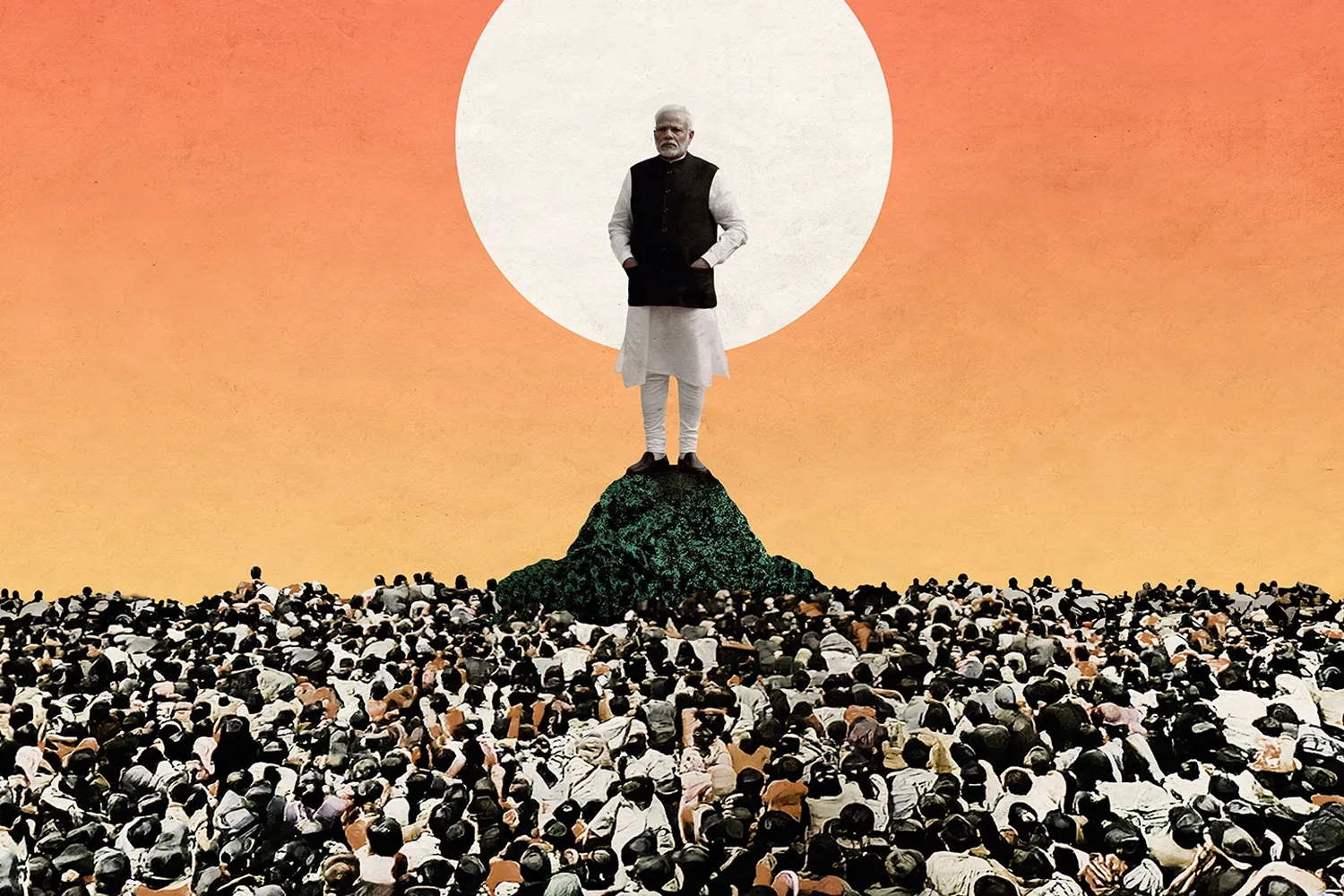
What began as a platform for selfies, travel photos, and lifestyle content is steadily evolving into a key arena for political communication in India. Instagram, once considered apolitical compared to platforms like Twitter (now X) or Facebook, is now being actively leveraged by political parties, leaders, and grassroots movements.
This shift reflects a broader change in digital behavior. With India home to over 350 million Instagram users, a significant portion of them under the age of 30, the platform offers direct access to first-time and young voters—an audience that traditional media struggles to capture.
Reels: The New Campaign Tool
Short-form video content—especially Instagram Reels—has become the centerpiece of modern political outreach. नेताओं के speeches अब सिर्फ rallies तक सीमित नहीं हैं; they are clipped, edited, and repackaged into 30–60 second reels designed to go viral.
Political campaigns now focus on:
- Emotion-driven storytelling rather than policy-heavy discourse
- Catchy slogans and music-backed visuals
- Quick rebuttals and meme-based criticism of opponents
According to digital campaign analysts, reels often outperform static posts by 2–3x in engagement, making them a preferred medium for narrative building.
Influencers Enter the Political Arena
A notable trend is the rise of non-political influencers engaging in political discourse. Lifestyle creators, comedians, and regional content creators are increasingly collaborating—directly or indirectly—with political campaigns.
This strategy works because:
- Influencers bring built-in trust and relatability
- Their content feels organic, not overtly political
- They can subtly shape opinions without formal endorsements
However, this also raises ethical concerns around undisclosed sponsorships and blurred lines between opinion and propaganda.
Algorithmic Advantage and the Echo Chamber Effect
Instagram’s algorithm plays a crucial role in amplifying political content. Posts that trigger strong engagement—likes, shares, comments—are pushed to wider audiences, regardless of factual accuracy.
Experts highlight two major risks:
- Echo chambers, where users only see content aligning with their beliefs
- Rapid spread of misinformation, especially through reels and stories
Unlike long-form debates or articles, short videos often lack context, making it easier for misleading narratives to gain traction.
Political Branding Gets a Makeover
Indian politicians are increasingly adopting brand-building strategies similar to celebrities. Carefully curated feeds, behind-the-scenes moments, fitness clips, and family glimpses are designed to humanize leaders and make them relatable.
This marks a shift from:
- Formal speeches → Casual, personal storytelling
- Party ideology → Individual personality-driven branding
The goal is clear: build a digital persona that resonates emotionally, not just politically.
Regulation Challenges and Policy Gaps
Despite its growing influence, Instagram remains a relatively under-regulated space for political advertising in India. While platforms have introduced ad transparency tools, enforcement remains inconsistent.
Key concerns include:
- Lack of clear disclosure norms for political content
- Difficulty in tracking covert campaigns and bot-driven amplification
- Limited accountability for misleading or manipulated media
With upcoming elections, regulatory scrutiny is expected to intensify, but current frameworks are still catching up with the speed of digital evolution.
What This Means for Voters
For users, especially young voters, Instagram is no longer just entertainment—it’s becoming a primary source of political information. This creates both empowerment and responsibility.
On one hand, it:
- Encourages higher political participation
- Makes information more accessible and engaging
On the other, it demands:
- Critical thinking and media literacy
- Awareness of biases and algorithmic influence
The Road Ahead
Instagram’s transformation into a political battleground signals a deeper shift in how democracy functions in the digital age. Campaigns are no longer fought only on the ground or through television debates—they are now waged in feeds, stories, and reels.
As India moves toward future electoral cycles, the question is no longer whether social media will influence politics—but how deeply and in what direction.
The platforms may be new, but the stakes remain the same: public opinion, trust, and the future of democratic discourse.