 TECH TIMES NEWS
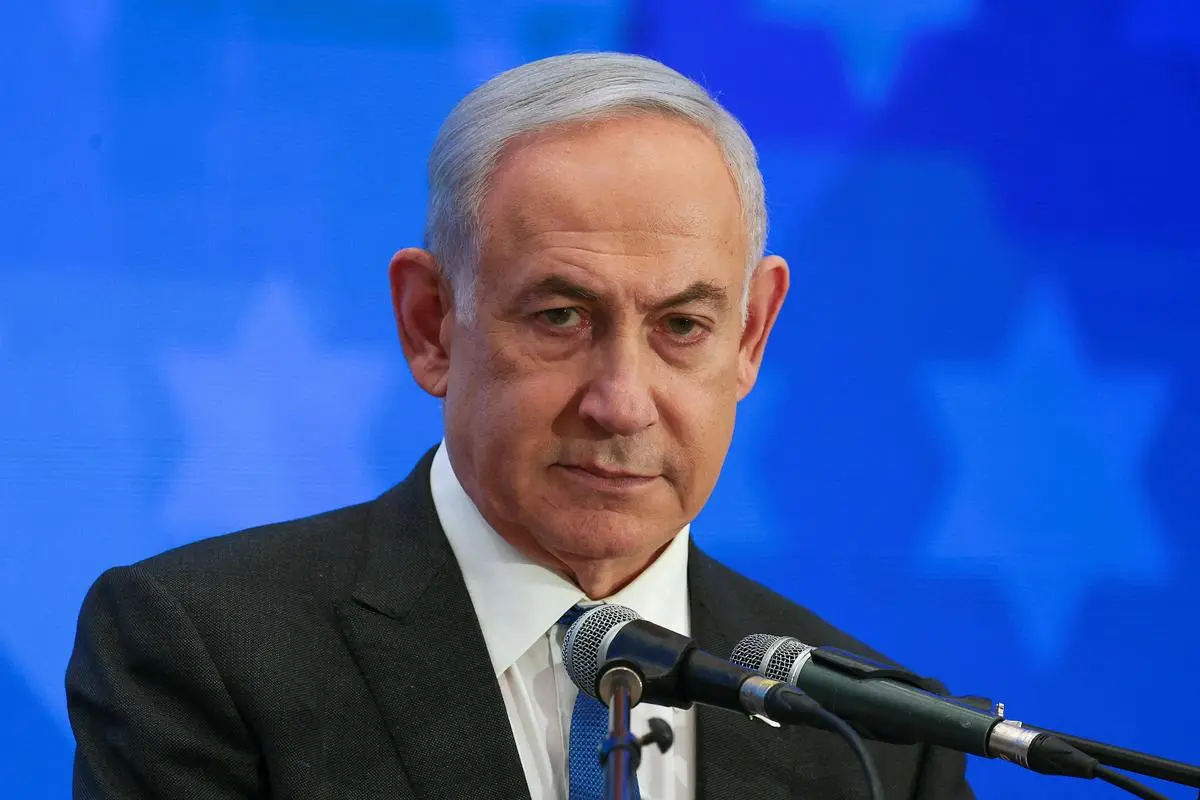
A strange question has been circulating across social media platforms in recent weeks: “Is Benjamin Netanyahu real or AI-generated?” While the question itself may sound absurd, it reflects a growing crisis in the digital information ecosystem.
Short video clips, altered speeches, and hyper-realistic AI-generated visuals of the Israeli Prime Minister have gone viral, leaving many users confused about what is authentic and what is fabricated. The issue is no longer limited to fringe corners of the internet—it has entered mainstream discourse.
Rise of Generative AI in Conflict Zones
Generative AI tools, capable of producing realistic images, videos, and voice clones, have become widely accessible. During the ongoing West Asia conflict, these tools are being used to create:
- Fake battlefield footage
- AI-generated speeches by political leaders
- Manipulated images designed to provoke emotional reactions
Unlike traditional misinformation, AI-generated content often appears highly credible, making it significantly harder for the average viewer to detect inconsistencies.
Social Media Amplification and Algorithmic Spread
Platforms like X (formerly Twitter), Instagram, and TikTok have accelerated the spread of such content. Algorithms tend to prioritize engagement—likes, shares, and comments—over authenticity.
As a result, sensational AI-generated clips often outperform verified news reports. A digitally altered Netanyahu speech, for instance, can gather millions of views within hours, even after being flagged or debunked.
Experts Warn of ‘Reality Collapse’
Media analysts and AI researchers are increasingly warning about a phenomenon known as “reality collapse”—a situation where audiences begin to distrust all forms of media, including legitimate journalism.
According to experts, the danger is twofold:
- False content is believed to be real
- Real content is dismissed as fake
This dual erosion of trust poses a serious threat not only to journalism but also to democratic discourse and international relations.
Geopolitical Implications Beyond Misinformation
The misuse of AI in conflict narratives is not just a technological issue—it carries geopolitical consequences. Fake videos or speeches attributed to leaders like Netanyahu can:
- Escalate tensions between nations
- Influence public opinion globally
- Trigger diplomatic misunderstandings
In high-stakes environments such as the Israel–Gaza conflict, even a single misleading clip can have far-reaching consequences.
How to Identify AI-Generated Content
As AI tools become more sophisticated, digital literacy is becoming essential. Experts recommend:
- Checking the source of the content
- Looking for inconsistencies in facial expressions or audio sync
- Verifying through trusted news organizations
- Using reverse image/video search tools
While these methods are not foolproof, they can help reduce the risk of falling for manipulated media.
The Bigger Takeaway: Information Is Now a Battleground
The question “Is Netanyahu real or AI?” is less about the individual and more about the broader transformation of information warfare.
In today’s digital age, wars are not only fought on the ground but also across screens—through narratives, visuals, and perception. Generative AI has added a powerful new dimension to this battlefield, one where truth itself is increasingly contested.
Conclusion: Navigating the AI-Driven Information Era
As generative AI continues to evolve, the line between reality and fabrication will become even more blurred. Governments, tech companies, and media organizations are under growing pressure to implement safeguards, but responsibility also lies with users.
For readers and viewers, skepticism—paired with verification—may be the only reliable defense. Because in an era where even world leaders can be convincingly “recreated,” the ability to distinguish fact from fiction is no longer optional—it is essential.