 TECH TIMES NEWS
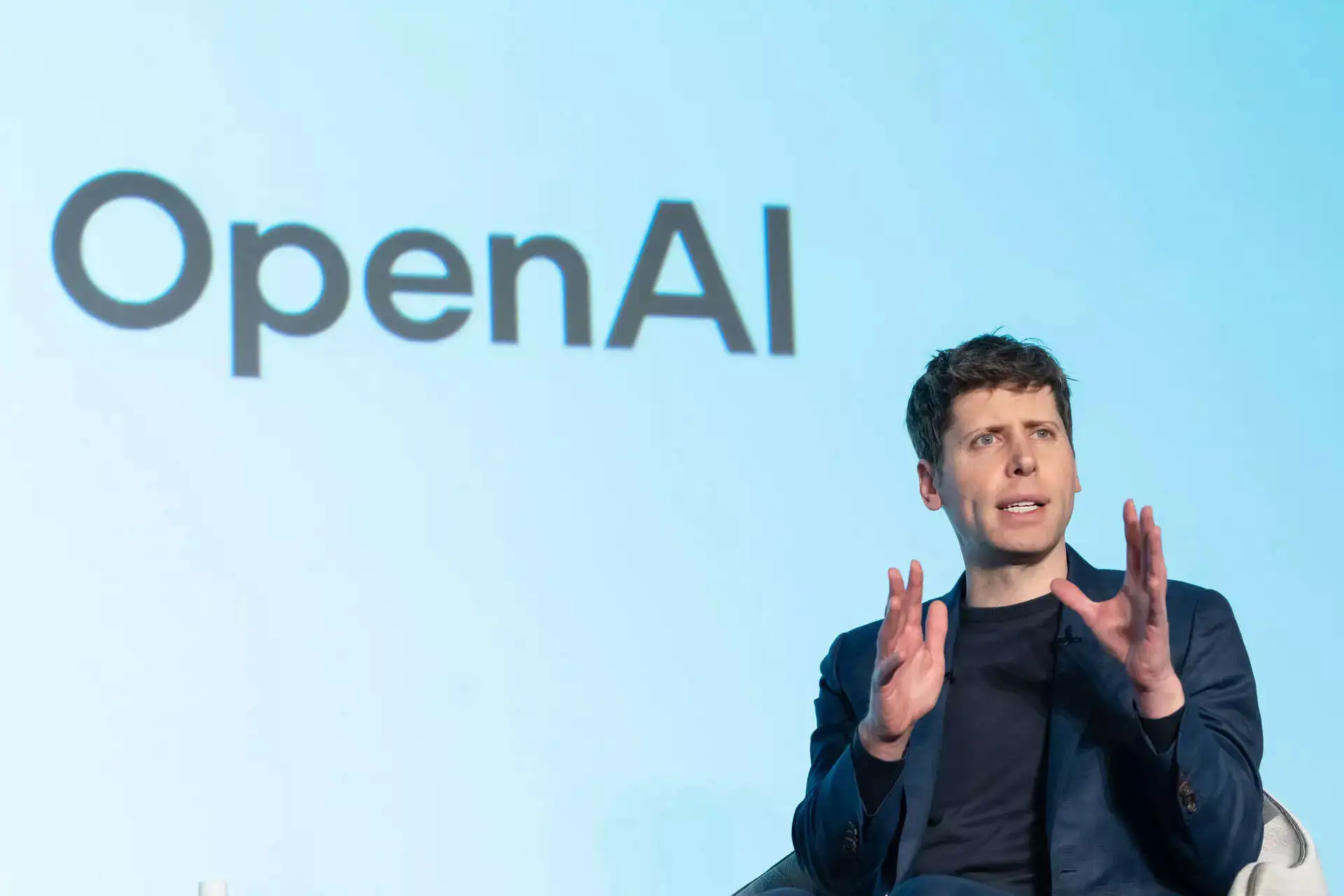
OpenAI and Anthropic, two of the most prominent players in the generative AI ecosystem, are reportedly evaluating a partnership with a specialised crisis-response contractor to tackle the growing challenge of online extremism. The move reflects a broader evolution in how AI companies perceive their responsibility—not just as technology providers, but as active participants in global digital security.
Until recently, most AI safety efforts focused on content moderation, bias reduction, and preventing harmful outputs within controlled environments. However, the rapid spread of AI-generated propaganda, deepfakes, and automated recruitment content has pushed companies to think beyond platform-level safeguards.
Why Extremism Has Become a Priority
The urgency stems from the increasing misuse of generative AI tools by extremist groups. From creating convincing narratives to generating multilingual propaganda at scale, AI has significantly lowered the barrier for coordinated influence operations.
Security analysts point out that extremist networks are leveraging AI to:
- Produce synthetic media for misinformation campaigns
- Automate recruitment messaging across platforms
- Localise content for different regions with minimal effort
This shift has made traditional moderation techniques insufficient, prompting AI firms to explore more proactive, intelligence-driven solutions.
The Role of Crisis Contractors
Crisis-response contractors typically operate at the intersection of technology, intelligence, and security. They specialise in real-time threat detection, behavioural analysis, and rapid intervention during high-risk situations.
By collaborating with such entities, AI companies aim to:
- Identify emerging extremist narratives before they scale
- Develop early-warning systems for coordinated campaigns
- Integrate real-world intelligence into AI safety frameworks
This approach signals a move from reactive moderation to predictive risk management—something that could redefine industry standards.
Balancing Safety with Privacy and Ethics
While the initiative highlights a proactive stance, it also raises complex ethical questions. Integrating external intelligence frameworks into AI systems may blur the line between safety and surveillance.
Experts caution that:
- Overreach could lead to privacy concerns for users
- Lack of transparency may undermine public trust
- Cross-border data handling could trigger regulatory conflicts
Both OpenAI and Anthropic have previously emphasised responsible AI deployment, suggesting that any such collaboration would likely include strict governance and oversight mechanisms.
A Broader Industry Trend Emerging
This potential partnership is not happening in isolation. Across the tech industry, companies are increasingly recognising that AI systems operate within complex socio-political environments.
Governments worldwide are also stepping up pressure, introducing regulations that demand:
- Greater accountability for AI-generated content
- Stronger safeguards against misuse
- Collaboration between private tech firms and public agencies
In this context, the involvement of crisis contractors could become a common model for managing high-risk digital threats.
What This Means for Users and the Future of AI
For everyday users, the impact may not be immediately visible—but it could significantly shape the online experience. Improved detection systems may reduce exposure to harmful content, but they could also introduce stricter controls on how AI tools are accessed and used.
Looking ahead, this development points to a future where AI companies:
- Take on quasi-regulatory roles in digital ecosystems
- Invest heavily in real-time threat intelligence
- Redefine trust and safety as a core product feature
The Bottom Line
The reported move by OpenAI and Anthropic underscores a critical turning point in the AI industry. As generative tools become more powerful, the responsibility to prevent their misuse is expanding beyond technical fixes to include real-world intervention strategies.