 TECH TIMES NEWS
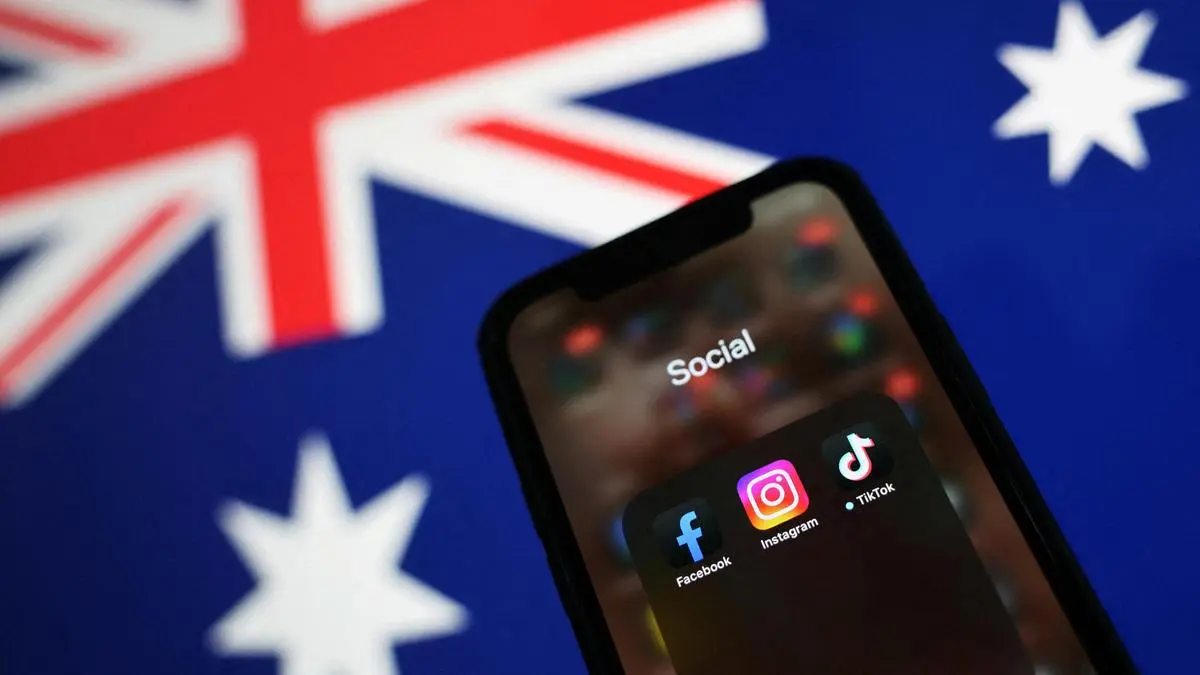
Australia has stepped into the global spotlight with an aggressive push to regulate social media platforms, signaling a shift from caution to enforcement. The government is actively exploring stricter laws that could limit or even ban access to social media for younger users, particularly those under 16.
This move is not emerging in isolation. It builds on Australia’s earlier clashes with Big Tech—most notably its landmark law forcing platforms like Meta and Google to pay publishers for news content. Now, the focus has expanded from economic fairness to digital well-being and societal impact.
What’s Driving the Crackdown?
At the heart of the debate lies a growing concern: the psychological and social effects of social media, especially on teenagers. Policymakers point to rising anxiety levels, cyberbullying incidents, and addictive platform designs as key triggers.
Government-backed studies and independent research have increasingly linked excessive social media use to declining mental health among adolescents. Add to this the spread of misinformation and harmful content, and the urgency becomes clearer.
Officials argue that platforms have failed to self-regulate effectively—prompting the need for government intervention.
Proposed Measures: What Could Change
While the policy is still evolving, several proposals are under discussion:
- Age-based restrictions, potentially banning users under 16 from accessing major platforms
- Stricter verification systems to enforce age limits
- Hefty penalties for companies that fail to comply
- Algorithm transparency requirements to reduce harmful content exposure
If implemented, these measures would place Australia among the strictest regulators of social media globally.
Tech Giants Push Back
Unsurprisingly, the proposal has met resistance from major tech companies. Platforms argue that outright bans may be ineffective and could push young users toward less regulated corners of the internet.
There are also concerns about privacy implications, particularly around age verification systems that may require sensitive personal data. Critics warn that such systems could introduce new risks even as they attempt to solve existing ones.
Global Ripple Effect
Australia’s stance is being closely watched by governments across Europe, North America, and Asia. Several countries are already considering similar frameworks, but few have moved as decisively.
If Australia succeeds in implementing and enforcing these laws, it could become a global blueprint for digital governance, much like its earlier media bargaining code.
Experts Remain Divided
The policy has sparked a broader philosophical debate:
Should governments control access to digital platforms, or should responsibility lie with users and companies?
Some experts see the move as necessary and overdue, arguing that public health concerns justify strong intervention. Others caution against overreach, emphasizing the importance of digital freedom and open internet principles.
There’s also skepticism about enforcement—particularly in an era where VPNs and alternative platforms can easily bypass restrictions.
The Road Ahead
Australia’s proposed social media restrictions are still under legislative discussion, with consultations ongoing among policymakers, industry leaders, and civil society groups.
What’s clear, however, is that the country is no longer taking a wait-and-watch approach. Instead, it is actively shaping the future of how societies interact with digital platforms.
Final Takeaway
Australia’s hardline stance marks a turning point in the global conversation around social media regulation. Whether it becomes a model for others or a cautionary tale will depend on execution, enforcement, and public response.