 TECH TIMES NEWS
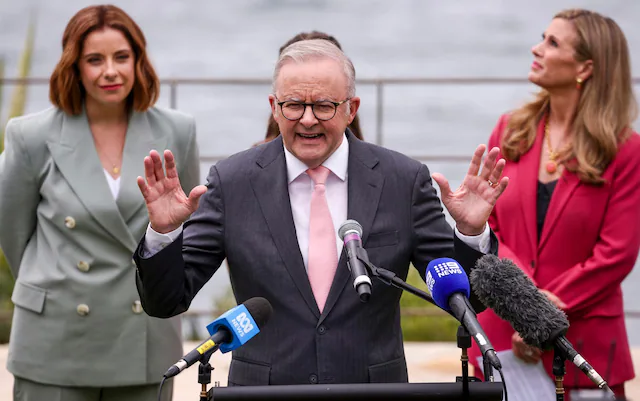
Australia’s Prime Minister has strongly defended the country’s world-first social media ban for teenagers, addressing growing concerns after reports surfaced of minors openly bragging about bypassing the new restrictions. Despite the backlash and evidence of loopholes, the government insists the measure is essential to safeguard young Australians from harmful content and online exploitation.
🟩 Teens Claim Bypassing the Ban Is “Easy”
Just days after the ban came into effect, students across Australia were recorded sharing tips on how to stay online, including using older siblings’ IDs, VPNs, or borrowed devices. Social media posts under hashtags used by teens revealed a sense of triumph in evading the rules, raising questions about the effectiveness of the newly introduced age-verification systems.
Education workers also reported an uptick in classroom chatter about “how to cheat the system,” with some students treating the ban as a challenge rather than a deterrent.
🟧 Albanese: ‘This Is About Protection, Not Punishment’
Responding to critics, Prime Minister Anthony Albanese reiterated that the policy is aimed at protecting mental health, reducing cyberbullying, and curbing exposure to violent or explicit content. He dismissed suggestions that the policy is overreach, arguing that Australia cannot wait for tech giants to self-regulate.
Albanese emphasized that the initiative was designed with the advice of child-safety experts and that adjustments will be made as enforcement tools evolve.
🟪 Implementation Challenges Undermine Early Impact
Digital-rights groups argue that the current patchwork of verification systems leaves significant gaps. Many platforms have yet to fully deploy mandated AI-based age detection tools, while privacy advocates warn that the methods used may introduce new risks, such as unnecessary data collection.
Tech companies, under pressure to comply quickly, have requested more time to integrate robust verification standards.
🟥 Parents Divided on New Restrictions
Families remain split on whether the ban is the right approach. While many parents welcome the additional layer of protection, others say it places too much responsibility on households to enforce what platforms fail to block.
Some also fear that blocking teenagers from mainstream apps may push them toward unregulated or underground platforms that pose greater dangers.
🟫 International Eyes on Australia’s Experiment
Global policymakers are watching Australia closely, viewing the ban as a possible template for future child-protection measures. Countries in Europe and Asia are considering similar restrictions, though most are hesitant due to privacy and enforcement complexities.