 TECH TIMES NEWS
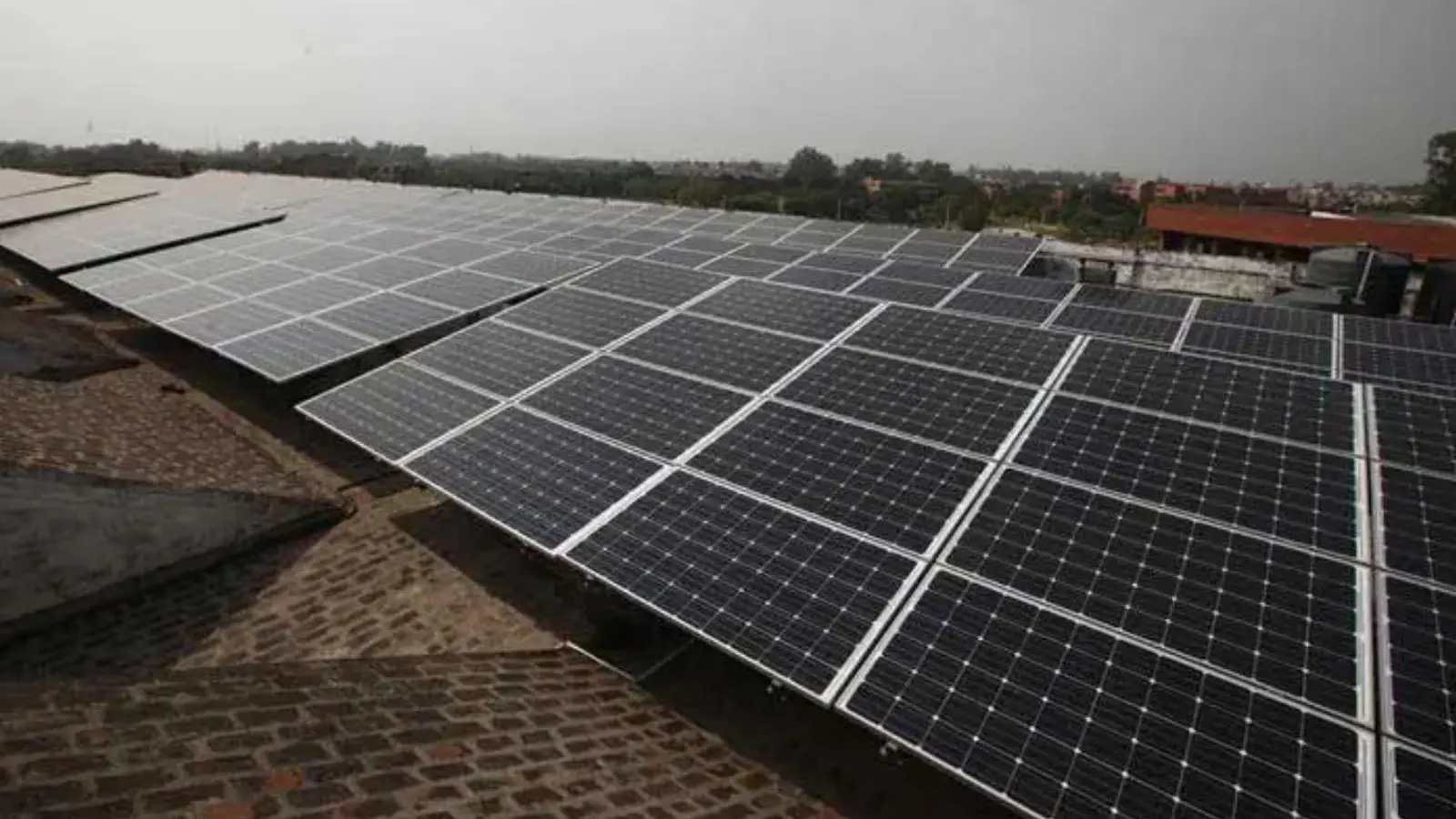
Researchers have unveiled a groundbreaking battery technology that could dramatically lower the cost of solar installations while enhancing their overall output. The new design focuses on improving how solar systems store and release energy — a key factor that has long limited large-scale clean energy adoption. Early laboratory tests indicate that the breakthrough could help overcome the intermittency challenges of solar power by providing steadier and more efficient storage.
🔬 New Material Promises Higher Efficiency
The research team has developed an advanced battery material capable of holding more energy without increasing production costs. Unlike traditional lithium-ion cells, the new material minimizes thermal degradation, meaning it maintains performance for far longer periods even under continuous sunlight exposure. This efficiency boost translates into a more stable energy supply from solar panels throughout the day.
💰 Lower Costs Could Boost Solar Adoption Worldwide
One of the standout benefits of this new battery technology is its potential to cut overall solar system costs. Because these batteries last longer and store more power, households and businesses would require fewer units to achieve the same — or better — performance. Analysts suggest that this improvement could significantly reduce the upfront expenses of both residential and industrial solar installations.
⚡ Better Performance in Extreme Conditions
The breakthrough also includes improved heat resistance, a crucial advantage for regions with extremely hot climates. The advanced battery design prevents performance drops that typically occur in high temperatures, enabling solar panels to operate more consistently year-round. This resilience could make solar systems more practical in countries where energy demand spikes during heatwaves.
🏭 Moving Toward Real-World Deployment
The research team is now preparing for pilot-scale production and field testing in collaboration with industry partners. Companies in the renewable energy sector are closely monitoring the technology, anticipating that it could lead to a new generation of efficient and affordable solar solutions. If commercialized successfully, this innovation may set a new benchmark for cost-effective clean energy storage.