 TECH TIMES NEWS
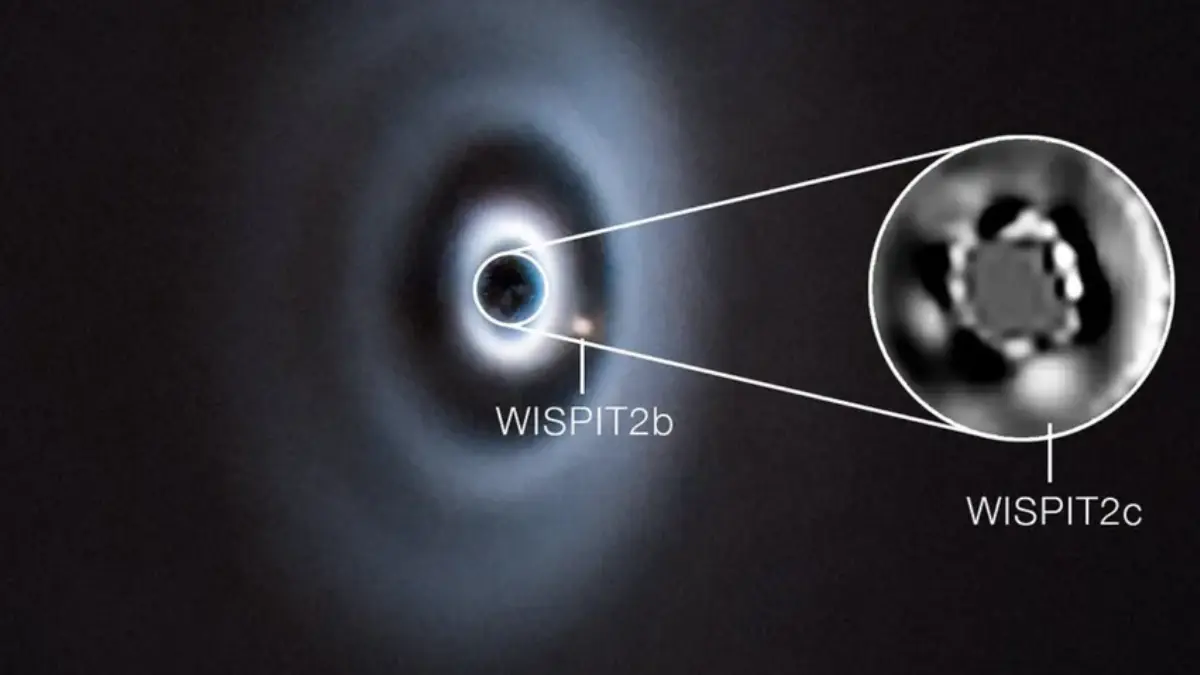
Astronomers have reported an extraordinary observation of a young star system known as WISPIT 2, where two massive planets appear to be forming simultaneously. Located millions of light-years away, the star is still surrounded by a dense disk of gas and dust—ideal conditions for planet formation. Such direct observations remain rare, making this discovery a significant milestone in modern astronomy.
Twin Giants Emerging From Cosmic Dust
Using cutting-edge imaging techniques, researchers identified two distinct regions within the protoplanetary disk where material is clumping together. These regions are believed to be forming giant planets, possibly similar in size to Jupiter or Saturn. The gravitational influence of these growing planets is already visible, carving gaps and spiral patterns into the surrounding disk.
Advanced Telescopes Make the Discovery Possible
The discovery was made possible through a combination of powerful observatories, including high-resolution radio and infrared telescopes. These instruments allowed scientists to peer through thick cosmic dust and capture fine details within the disk. The clarity of the images provided compelling evidence of ongoing planetary formation rather than indirect inference.
Rewriting Planet Formation Models
The simultaneous formation of two giant planets challenges some existing theories about how planetary systems develop. Traditionally, scientists believed such massive planets formed over longer timescales or in more isolated conditions. The WISPIT 2 system suggests that multiple large planets can emerge concurrently, influencing each other’s growth and orbital paths early on.
Clues About Our Own Solar System
Studying systems like WISPIT 2 helps astronomers understand how our solar system may have evolved billions of years ago. Observations of gas giants in their infancy provide insights into how Jupiter and Saturn might have formed and migrated. These findings could also explain the arrangement of planets and debris belts seen today.
A New Window Into Cosmic Origins
Researchers emphasize that WISPIT 2 offers a rare “live” view of planetary birth, something that was once only theorized. Continued observation of this system is expected to reveal how these planets grow, interact, and eventually stabilize into a mature planetary system. As telescope technology advances, more such systems may soon be uncovered, deepening humanity’s understanding of the universe.