
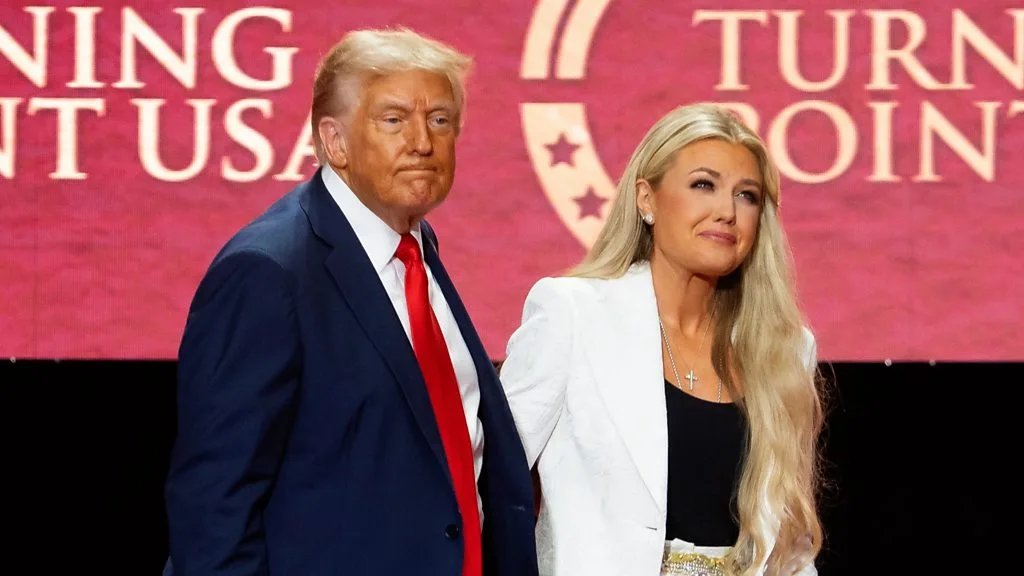
YouTube is currently facing criticism as numerous AI-generated “tribute” videos featuring conservative commentator Charlie Kirk have surfaced on the platform, misleading audiences with fabricated narratives. The videos, which mimic memorial-style presentations, falsely suggest Kirk’s passing or portray him in emotional farewell montages — despite the Turning Point USA founder being alive and active.
AI Deepfakes Exploit Public Figures for Clickbait
The deceptive videos appear to be produced using generative AI tools, combining synthesized voiceovers, fabricated imagery, and stock visuals to evoke sympathy or outrage. Viewers who stumble upon the tributes often mistake them for legitimate reports, leading to confusion and misinformation spreading rapidly across social media.
Monetization and Algorithm Fuel the Spread
Analysts suggest that monetization incentives and YouTube’s recommendation algorithm may be amplifying these fake tributes. The emotionally charged content tends to attract high engagement rates, making it profitable for the creators behind the hoaxes. Experts warn that such trends highlight a growing ethical and regulatory challenge for content moderation in the AI era.
Public Reaction and Platform Response
Many users have voiced frustration over YouTube’s slow response in removing or labeling AI-generated misinformation. While the company recently rolled out disclosure policies for synthetic media, enforcement remains inconsistent. Kirk’s supporters and independent journalists have called for stricter policies to combat misleading AI-generated political content.
AI Manipulation Raises Broader Concerns
The incident underscores a broader societal concern about AI deepfakes and trust erosion in digital media. As generative AI becomes more accessible, experts warn that fake “memorial” videos or death hoaxes could become a common misinformation tactic — blending emotional manipulation with algorithmic exploitation.