
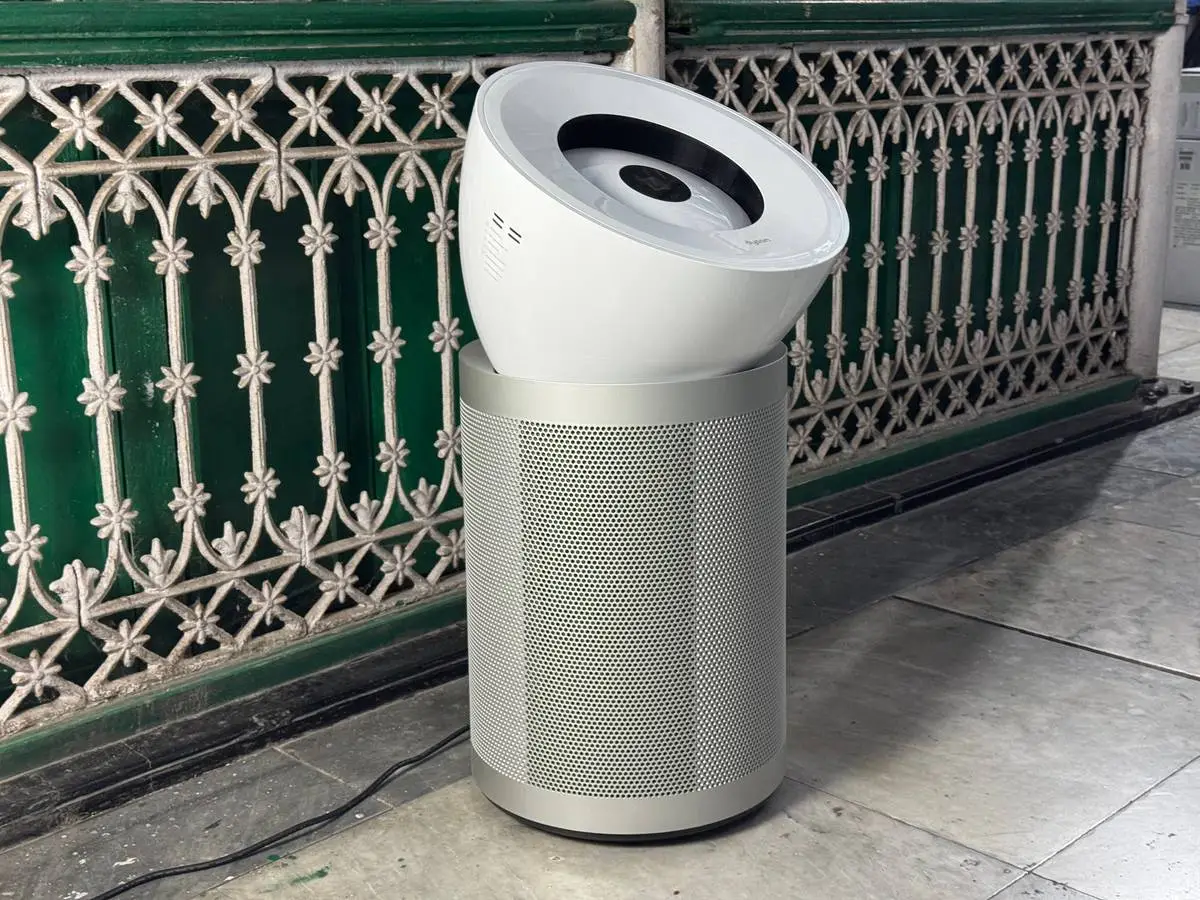
A Dyson environmental engineer has sounded the alarm on indoor air quality, revealing that the air inside homes and offices can be up to 10 times more polluted than the air outside. The warning comes as part of Dyson’s latest research into household pollution and its growing impact on human health.
The Invisible Threat Inside Homes
According to Dyson’s research, everyday activities such as cooking, cleaning, lighting candles, and using certain cleaning sprays release fine particulate matter (PM2.5), volatile organic compounds (VOCs), and nitrogen dioxide (NO₂). These pollutants can linger indoors, creating an environment more hazardous than many realize.
“People often assume pollution is an outdoor problem, but in reality, most of us spend over 90% of our time indoors,” the engineer explained.
Common Sources of Indoor Air Contaminants
Pollution sources range from gas stoves and unventilated kitchens to synthetic furnishings and aerosol products. Even harmless-seeming activities like spraying deodorant or burning incense can contribute to poor indoor air quality.
Dust mites, pet dander, and mold spores also worsen air quality, particularly in homes with poor ventilation.
Health Implications: A Growing Concern
The World Health Organization (WHO) links prolonged exposure to indoor air pollutants to respiratory illnesses, asthma, and cardiovascular diseases. Dyson’s findings highlight that children and elderly individuals are particularly vulnerable to these contaminants, given their weaker immune systems and higher sensitivity to pollutants.
Dyson’s Technological Push for Cleaner Air
In response, Dyson is focusing on advancing air purification technologies across its product lines. The company’s latest air purifiers use HEPA and activated carbon filtration systems capable of capturing 99.97% of particles as small as 0.3 microns. These innovations aim to make homes safer by detecting and eliminating pollutants in real time.
Raising Awareness on Air Quality Monitoring
The Dyson engineer emphasized the importance of real-time air quality monitoring. Many modern air purifiers now feature built-in sensors and mobile app integration, allowing users to track pollutants like PM2.5 and VOCs.
“Awareness is the first step to action,” the engineer said. “Once people understand what they’re breathing indoors, they can take steps to improve it.”
The Bottom Line
As urban living becomes denser and homes more insulated, the issue of indoor air pollution is taking center stage. Experts urge homeowners to improve ventilation, minimize the use of chemical-based products, and invest in air purification solutions to safeguard their health.