Beijing Flags “Security Risks” in Nvidia’s H20 AI Chips
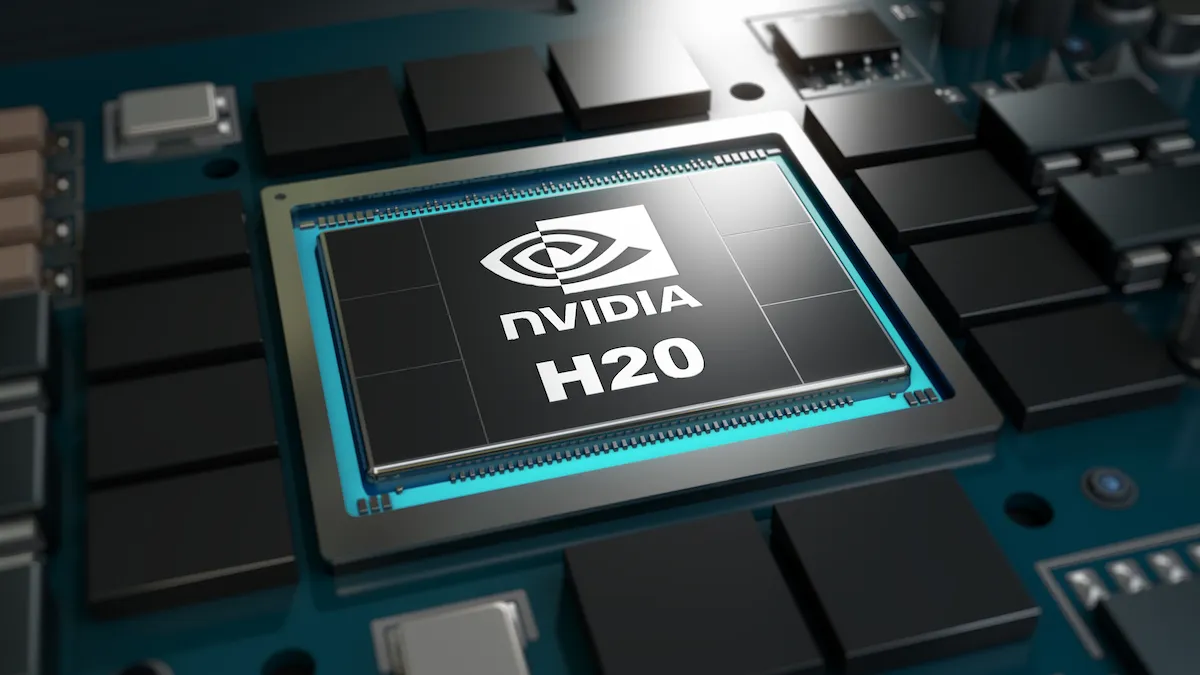
Chinese state-run media outlets have labeled Nvidia’s H20 artificial intelligence chips as “unsafe” for China’s critical sectors, citing potential data security vulnerabilities. The H20, designed specifically to comply with U.S. export restrictions, was expected to be a key player in the Chinese AI market after Washington’s curbs on high-performance GPUs like the A100 and H100.
Modified Chips Under Scrutiny
The H20, along with Nvidia’s L20 and L2, features reduced computing performance to meet U.S. export control thresholds. However, Chinese media reports argue that these chips could still be embedded with “security loopholes” that might compromise national data. They further warned that relying on foreign-designed AI hardware could give external actors leverage over China’s digital infrastructure.
Impact on Nvidia’s China Business
China has historically been one of Nvidia’s largest markets, accounting for a significant portion of its data center revenue. The company had tailored its downgraded chips to maintain business ties while navigating geopolitical tensions. Now, these public warnings could deter state-owned enterprises and sensitive industries from purchasing H20 units, potentially dealing a blow to Nvidia’s China strategy.
Push for Domestic AI Hardware
Chinese analysts are urging greater investment in homegrown AI accelerators, highlighting that foreign chip dependence could hinder China’s long-term tech sovereignty. Domestic firms like Huawei and Biren Technology are being positioned as key alternatives, despite facing their own U.S.-imposed supply chain hurdles.
Geopolitical Undercurrents
The criticism from Chinese state media comes amid intensifying U.S.-China tech competition. Washington’s tightened export rules aim to slow Beijing’s AI development, while China is doubling down on indigenous innovation. Nvidia, caught in the middle, must now navigate both regulatory restrictions and a loss of trust among its Chinese clients.