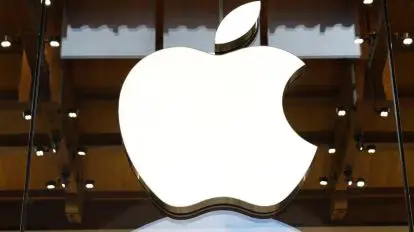
Apple has reportedly been hit with a new lawsuit accusing the company of using copyrighted books to train its upcoming Apple Intelligence system without authorization. The complaint, filed in a U.S. federal court, alleges that Apple leveraged thousands of literary works without permission from their rightful owners to develop its generative AI capabilities.
Authors Claim Unlawful Use of Literary Works
According to reports, a group of prominent authors claim that their copyrighted books were used as part of massive AI training datasets that helped build Apple’s new AI models. These models, integrated into iPhones, iPads, and Macs, power features like writing assistance, summarization, and contextual suggestions. The plaintiffs argue that Apple failed to secure licenses or compensate them for the use of their intellectual property.
Partnership with OpenAI Under Scrutiny
The lawsuit also raises concerns about Apple’s collaboration with OpenAI, whose GPT-based systems reportedly contribute to Apple Intelligence. Authors allege that Apple relied on datasets sourced from third-party partners—potentially including OpenAI—containing copyrighted content scraped from the internet. This has sparked debate about accountability and transparency in AI training practices.
Apple’s Response and Industry Implications
Apple has yet to issue an official comment on the lawsuit. However, legal experts note that the case could set a precedent for how AI companies handle copyrighted materials in their training data. The issue mirrors similar lawsuits faced by OpenAI, Meta, and Google, as the tech industry faces growing pressure to ensure ethical and lawful data sourcing for generative AI systems.
Growing Concerns Over AI and Copyright Law
The lawsuit underscores the ongoing conflict between creative professionals and technology firms over fair use in AI development. Authors and publishers continue to argue that AI companies are exploiting their works without consent, potentially threatening creative livelihoods. If successful, the plaintiffs could push for tighter regulations on AI training practices across the tech industry.