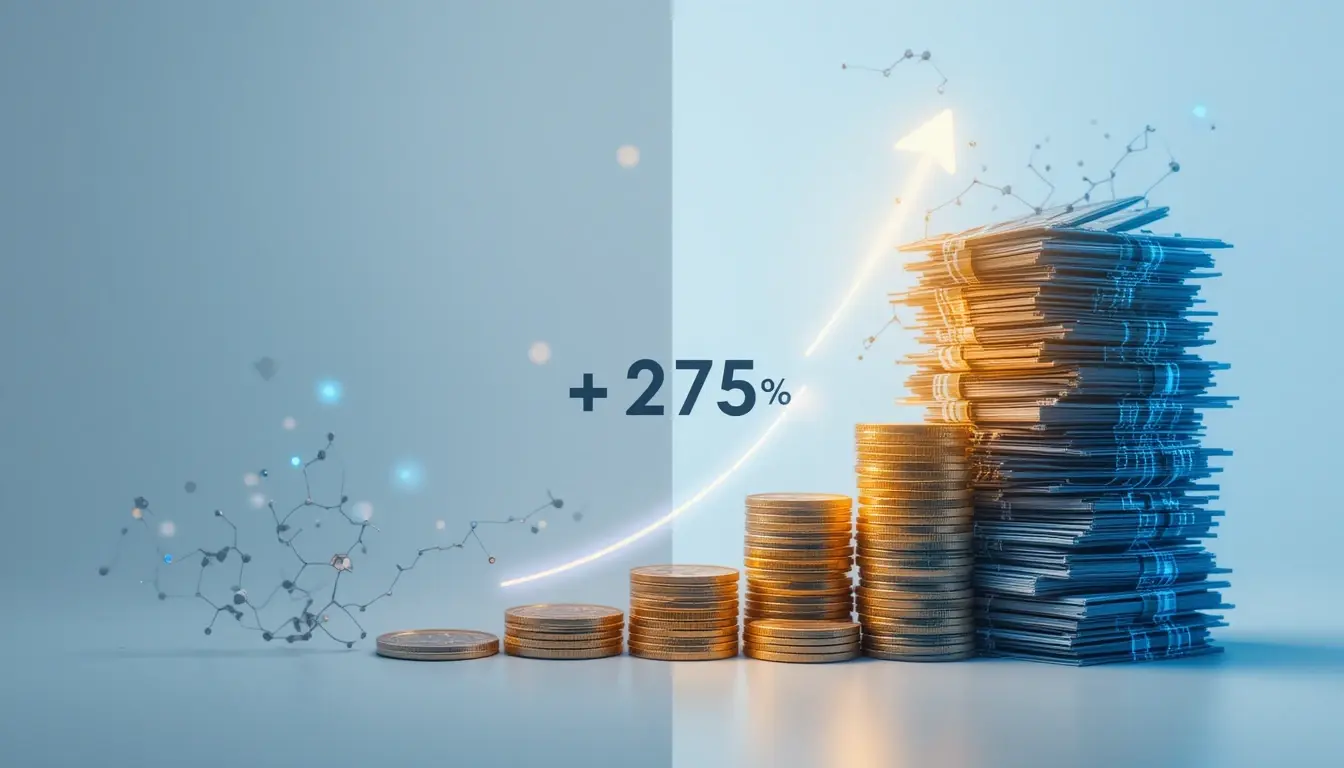
In 2025, Artificial Intelligence (AI) is no longer just a futuristic concept — it has become an essential tool for managing wealth smarter, faster, and more efficiently. From personalized investment advice to automated savings plans, AI is reshaping how individuals and institutions grow and protect their assets.
Here’s how AI is making a transformative impact in wealth management this year:
1. Hyper-Personalized Financial Planning
Today’s AI platforms dive deep into an individual's spending habits, income streams, risk appetite, and long-term goals. By analyzing real-time financial data, AI creates highly customized investment and savings strategies. Platforms like WealthMind AI and Prosper+ now offer "dynamic planning," adjusting portfolios automatically based on market fluctuations or changes in personal circumstances — all without the need for manual intervention.
“AI now acts almost like a living, breathing financial advisor that evolves with your life,” says Jenna Liu, Senior Analyst at FutureWealth Insights.
2. AI-Powered Predictive Analytics
Gone are the days of relying solely on historical data. In 2025, AI systems use predictive modeling to anticipate market movements, sector trends, and economic shifts. Tools such as QuantumForecast and FinScope AI are able to alert investors to potential risks before they happen, giving them time to adjust strategies proactively.
This predictive edge has proven especially valuable during recent global market turbulence, helping investors mitigate losses and seize early opportunities.
3. Automated Wealth Management Platforms (Robo-Advisors 3.0)
Robo-advisors have evolved significantly. The latest generation now integrates generative AI to provide conversational interfaces, explain investment choices in plain language, and even negotiate better loan or insurance terms on behalf of users.
“Instead of cold, pre-set algorithms, today’s robo-advisors feel like talking to a highly trained human consultant,” remarks Vikram Desai, CTO of FinServe Global.
4. Enhanced Fraud Detection and Cybersecurity
AI’s role in wealth management isn’t just about growing money — it’s also about protecting it. Financial institutions are deploying AI systems capable of detecting fraud within milliseconds. By identifying unusual behavior patterns, AI helps banks and clients prevent theft and unauthorized access before any damage occurs.
In an era where cyberattacks are more sophisticated than ever, this AI defense is seen as a crucial safety net for high-net-worth individuals and everyday investors alike.
5. AI-Driven Tax Optimization
Tax efficiency is critical in wealth management, and AI is now assisting in ways that were once impossible. Intelligent tax harvesting, automated deductions, and cross-border tax planning are all being handled by AI platforms like TaxWiseBot and GlobalSaver AI. These services constantly search for opportunities to minimize tax liabilities without breaching legal or ethical guidelines.
6. Ethical and Sustainable Investing (ESG) Through AI
More investors are prioritizing environmental, social, and governance (ESG) factors in their portfolios. AI helps match individual values with investment opportunities by screening thousands of companies in real-time for ESG compliance, impact ratings, and sustainability performance. This means building a profitable portfolio without compromising on personal or corporate ethics.
Looking Ahead
As AI technology continues to mature, experts predict even greater advancements, including AI systems capable of negotiating investments directly with other AIs, fully autonomous wealth ecosystems, and ultra-secure, blockchain-based asset management.
Yet, with these opportunities come new challenges: privacy concerns, regulatory adjustments, and the need for human oversight remain paramount.
"In the end, AI is a tool — not a replacement for human wisdom," says Liu. "The smartest investors of 2025 are those who blend technology with careful judgment."
One thing is clear: In 2025, leveraging AI smartly is not just an option for better wealth management — it's the new standard.