 TECH TIMES NEWS
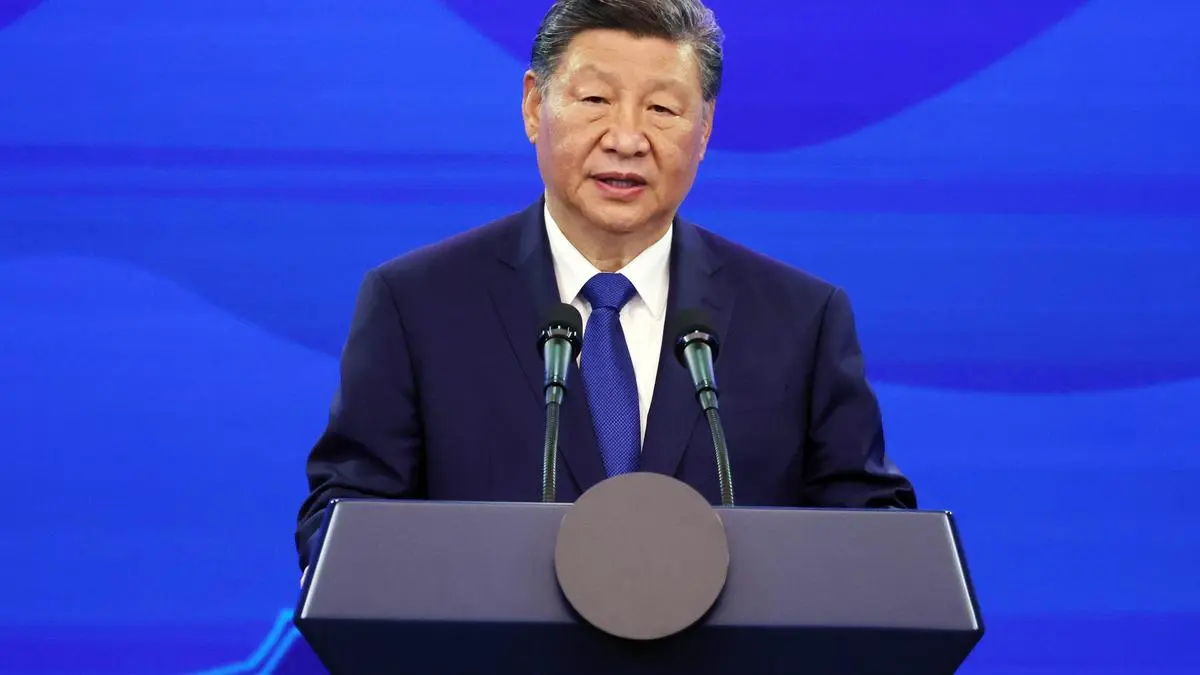
At the APEC Summit 2025, Chinese President Xi Jinping urged world leaders to support the establishment of a global artificial intelligence governance body aimed at ensuring fairness, transparency, and safety in AI development. His proposal comes at a time when major economies are racing to regulate and dominate emerging AI technologies. Xi emphasized that the world must not let a few nations control AI’s future, subtly pointing to the United States’ growing influence in AI research and standards-setting.
China Aims to Shape Global AI Rules
Xi stated that China supports creating an international AI governance mechanism under the principles of mutual respect, shared benefits, and open cooperation. The goal, according to Xi, is to avoid “technological hegemony” and to make AI advancements beneficial to all nations. The proposed framework would involve global stakeholders — governments, academia, and private companies — to collaboratively define ethical standards, data privacy norms, and cross-border AI regulations.
Strategic Counter to U.S. AI Leadership
The proposal is widely viewed as a strategic counterbalance to Washington’s influence in AI policy discussions. The United States and its allies, including Japan and the EU, have already taken steps toward regulating AI through frameworks like the AI Safety Summit and OECD AI Principles. China’s latest move seeks to position Beijing as a co-leader in global AI governance, aligning with its long-term ambition to dominate next-generation technologies.
Emphasis on “Shared Future” and Responsible Innovation
Xi reiterated China’s vision of a “community with a shared future for mankind”, calling for AI to serve as a tool for development rather than division. He stressed the need for responsible innovation, prevention of misuse, and promotion of global data security cooperation. The proposal aligns with China’s AI governance initiatives launched domestically, including its own AI ethics guidelines and algorithm regulation policies.
Global Reactions and Future Outlook
While some nations welcomed China’s call for inclusive AI cooperation, others expressed concerns over data privacy, transparency, and state control within China’s tech ecosystem. Analysts say Xi’s proposal may open a new front in the U.S.-China tech rivalry, as both nations compete for influence over international AI standards. The outcome of this diplomatic push could determine how the world regulates and governs AI innovation in the coming decade.