 TECH TIMES NEWS
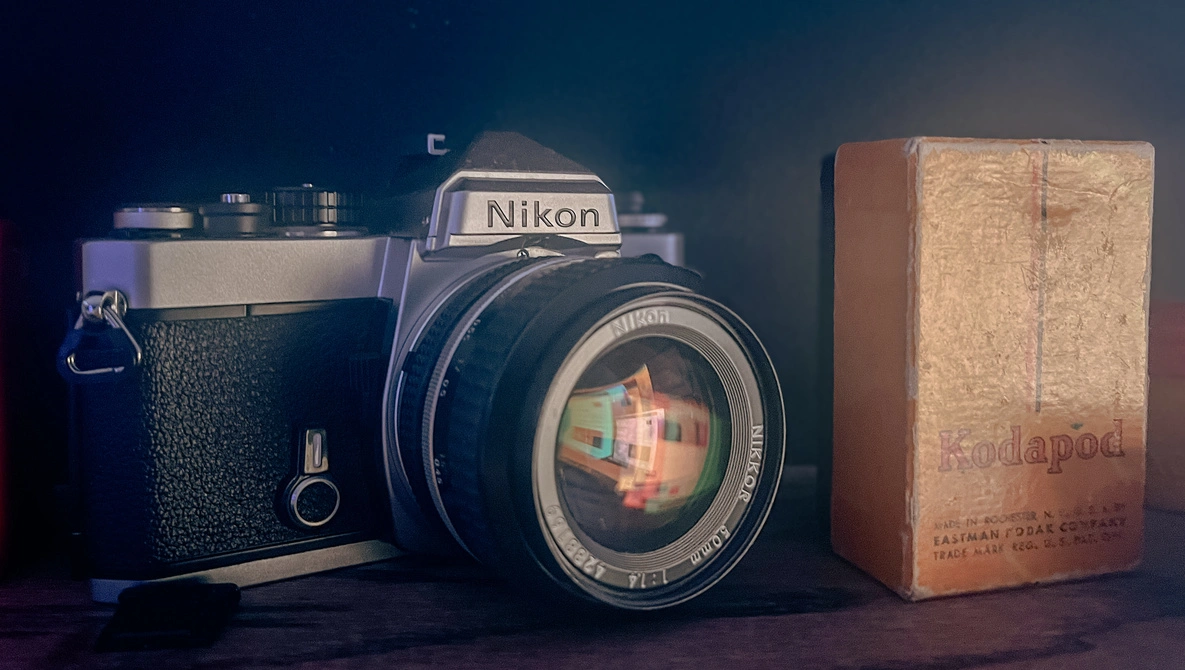
In an age where smartphones and mirrorless cameras dominate photography, an unexpected revival is quietly gaining momentum: the resurgence of film cameras. From vintage 35mm SLRs to medium format classics, film photography is attracting a growing number of enthusiasts, young and old alike. But what’s fueling this analog revival in a digital world?
A New Generation Discovers the Old School
Much of the recent growth in film photography is driven by Gen Z and millennials—groups known for their affinity toward nostalgia and tactile experiences. Platforms like TikTok and Instagram have seen a surge in content featuring vintage camera reviews, film hauls, and side-by-side comparisons of film versus digital photos.
“People are craving authenticity,” says Ava Martinez, a Brooklyn-based photographer and content creator. “There’s something romantic and unpredictable about film that digital can’t quite replicate.”
The rise in analog interest is also visible in sales figures. Online marketplaces like eBay and Etsy report a sharp uptick in purchases of vintage cameras and film rolls. Popular models like the Canon AE-1, Pentax K1000, and Olympus OM-1 are fetching higher prices, often sold out at local camera shops or second-hand stores.
Major Brands Take Notice
The comeback hasn’t gone unnoticed by manufacturers. Kodak, once on the brink of bankruptcy, has ramped up production of several of its iconic film stocks, including Portra 400 and Ektar 100, to meet growing demand. Fujifilm, although having reduced its film lineup in recent years, continues to support select emulsions, and Ilford remains a go-to name for black-and-white photography.
Leica, Nikon, and Pentax have even hinted at reentering the film market with reissued or newly designed film cameras. In late 2024, Pentax confirmed it was working on a new line of compact film cameras aimed at beginners, further validating the format’s renaissance.
The Appeal: More Than Just Nostalgia
Beyond aesthetics and nostalgia, film offers a slower, more intentional photographic process. With only 24 or 36 exposures per roll, photographers must think before they shoot, focusing more on composition, light, and timing. This slower pace stands in stark contrast to the instant gratification of digital photography.
“Film forces you to be present,” says Marcus Nguyen, who teaches photography workshops in Seattle. “You’re not chimping the back of your camera every shot. You trust your instincts and wait to see the results.”
In addition, many photographers are drawn to the archival quality of negatives. Properly stored film can last decades, offering a sense of permanence that digital files, prone to corruption or deletion, often lack.
Challenges Still Exist
Despite the renewed interest, film photography isn’t without its hurdles. Costs have risen significantly due to inflation and supply chain issues. A single roll of color film can range from $10 to $20, and development fees add to the expense. Additionally, labs are overwhelmed with orders, leading to long turnaround times.
Moreover, parts and service for older cameras are increasingly difficult to source. Many repair shops have closed, and specialists are aging out of the profession, leading to concerns about long-term sustainability.
A Lasting Trend?
Whether the film resurgence is a lasting movement or a passing trend remains to be seen. However, the growing community, rising demand, and manufacturer support suggest this analog revival is more than just a flash in the pan.
As digital photography continues to evolve, film serves as a creative counterbalance—one that values imperfection, craftsmanship, and the joy of surprise. In a world obsessed with speed and efficiency, the film camera offers something rare: the beauty of waiting.