 TECH TIMES NEWS
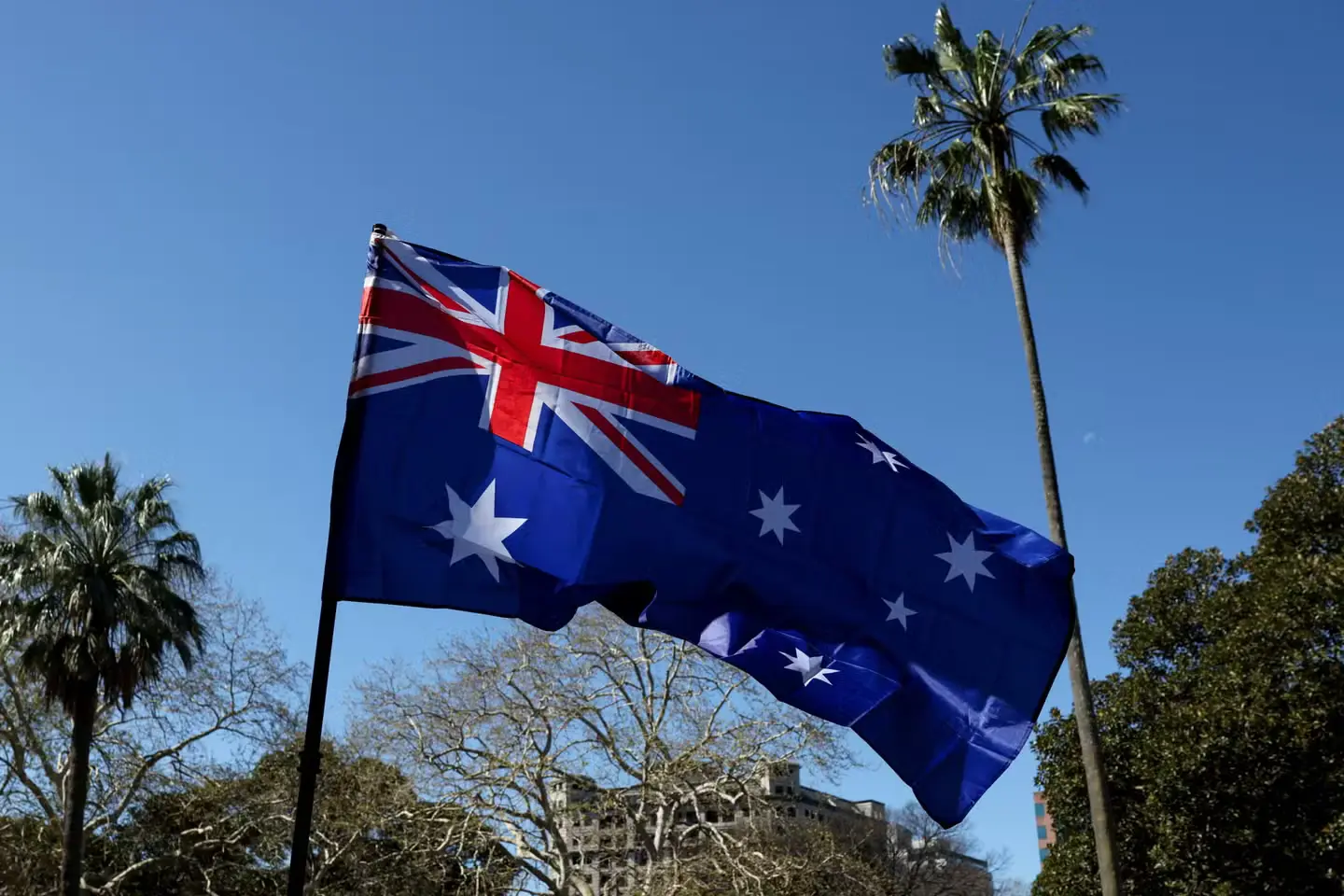
The Australian government has announced a new initiative aimed at curbing the rise of deepfake nudes, online stalking, and digital harassment. The move comes in response to increasing reports of technology-driven abuse, particularly targeting women and young people.
Deepfake Content Under the Scanner
Deepfake technology, which uses artificial intelligence to create manipulated videos and images, has been increasingly exploited for non-consensual sexual content. Authorities warn that such material not only invades privacy but also fuels cyberbullying and long-lasting psychological trauma.
Strengthening Cyber Laws
The government is set to expand the Online Safety Act, giving the eSafety Commissioner more powers to demand takedowns of harmful AI-generated content. Offenders creating or sharing deepfake sexual material could face hefty fines and potential jail terms under the proposed framework.
Online Stalking in Focus
Online stalking, another growing concern, will also be targeted with stricter penalties. Lawmakers argue that digital harassment is just as harmful as physical stalking and must be treated with the same seriousness. Enhanced legal protections will allow victims to seek quicker interventions and safety orders.
Collaboration with Tech Platforms
Authorities are urging social media platforms and AI developers to play a more proactive role in identifying and removing harmful content. Australia plans to collaborate with international partners to ensure cross-border cooperation, as online abuse often originates beyond national boundaries.
Protecting Victims and Raising Awareness
Alongside legal reforms, the government intends to launch public awareness campaigns to educate users about reporting tools, privacy settings, and online safety practices. Advocacy groups have welcomed the move, calling it a “long overdue step” to protect vulnerable communities from digital exploitation.